Scar camouflage is one of the most genuinely life-changing services in paramedical tattooing — and one of the most misunderstood. Search the term online and you’ll find dramatic before-and-afters that make it look like magic. What you’ll find less often is an honest explanation of why it works brilliantly for some people and why it’s not the right fit for others. At BeYOUtiful Ink Studio in Little Falls, Minnesota, we believe you deserve both sides of the story before making a decision about scar camouflage.
This guide covers the full picture: what scar camouflage actually does, what types of scarring it works best on, where its limits are, and how to determine whether you’re a strong candidate.
What Is Scar Camouflage Tattooing?
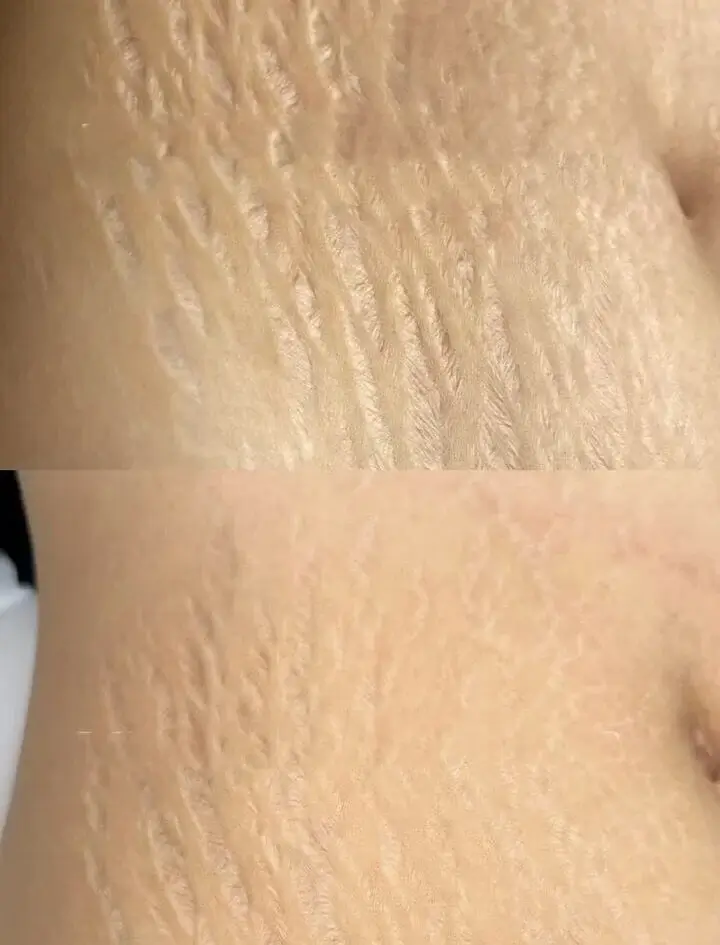
Scar camouflage tattooing is a paramedical technique that uses skin-tone matched pigment tattooed into the scar area to reduce the visible contrast between the scar and the surrounding skin. The technique does not alter the physical structure of the scar — the texture, depth, and biological nature of the mark remains unchanged. What changes is the color. And because most scars are visible primarily due to their color difference from surrounding skin, correcting the color can dramatically reduce how much the scar catches the eye.
This is a meaningful distinction. Scar camouflage is a color-correction technique, not a scar-erasure technique. The best outcomes come when clients understand this clearly — because when the expectation matches the reality, the results feel extraordinary. When the expectation is complete erasure, even genuinely excellent results can feel disappointing. At BeYOUtiful Ink, we are always transparent about this during consultation. Our Scars and Stretch Marks service is built on this foundation of honest, realistic guidance.
What Types of Scars Does Scar Camouflage Work Best On?
Scar camouflage delivers its most impressive results on hypopigmented scars — scars that are lighter in color than the surrounding skin. These include:
- Surgical scars: Post-operative scars from procedures like tummy tucks, breast surgeries, appendectomy, and other abdominal or body surgeries that have healed to a white or light silver tone.
- C-section scars: The horizontal scar across the lower abdomen is one of the most commonly treated areas for scar camouflage, and results are frequently outstanding when the scar is fully mature.
- Injury scars: Accidents, burns, and trauma scars that have healed to a lighter tone than surrounding skin and have been stable for at least 1 to 2 years.
- Stretch mark scars: Mature, white or silver stretch marks on the abdomen, hips, thighs, and breasts respond well to camouflage when the skin tone is consistent in the surrounding area.
- Self-harm scars: When fully healed, stable, and lighter in color than surrounding skin, these scars can be treated with scar camouflage. Consultation always includes a sensitive, judgment-free conversation about history and readiness.
The key pattern across all of these is maturity and color. Older, lighter, stable scars respond best to scar camouflage. Our paramedical tattooing services page covers the full breadth of restorative work we offer at BeYOUtiful Ink.
What Scar Camouflage Cannot Fix
Being honest about the limits of scar camouflage is just as important as celebrating its capabilities. There are several situations where scar camouflage is not appropriate or will produce limited results:
- Active or recent scars: Scars still in the pink, red, or purple phase are actively changing. Applying camouflage pigment to an active scar will result in color mismatch as the scar continues to evolve.
- Raised or keloid scars: Hypertrophic and keloid scars are raised above the skin surface. Scar camouflage can reduce color contrast but cannot flatten or smooth textural elevation. Medical treatment of the raised tissue should be considered first.
- Dark or hyperpigmented scars: Scars that are darker than surrounding skin are not candidates for standard scar camouflage pigment — a different corrective approach is needed.
- Very large or complex scar areas: Extremely extensive scarring may require multiple sessions spread over a longer timeframe and may have limitations in achievable coverage.
At BeYOUtiful Ink in Little Falls, we will always tell you clearly during consultation if we don’t believe scar camouflage is the right approach for your specific situation. Recommending an unsuitable treatment serves no one.
The Color Matching Process in Scar Camouflage
The most technically demanding aspect of scar camouflage is color matching — and it’s where artist skill makes the most difference. Your surrounding skin tone needs to be assessed for both its surface color and its undertone (whether warm, cool, or neutral). A custom pigment blend is then created using multiple shades to achieve the closest possible match. No two clients receive the same pigment mix.
One important consideration for scar camouflage clients is tanning. If your skin tone changes significantly with sun exposure, the pigment matched in winter may not match perfectly in summer. This is a real consideration that your artist at BeYOUtiful Ink in Little Falls will discuss with you during consultation — particularly for scars in areas that receive regular sun exposure like the arms or décolletage.
How Many Sessions of Scar Camouflage Are Needed?
Most scar camouflage clients need between 2 and 4 sessions spaced 8 to 12 weeks apart. Each session builds on the previous one, deepening coverage and refining the color match as the artist can see how the skin has retained the pigment from the prior session. Smaller, lighter scars may achieve good results in 2 sessions. Larger or more complex areas may need 3 to 4. Your artist at BeYOUtiful Ink will give you a personalised estimate after assessing your specific scar during consultation.
Book Your Scar Camouflage Consultation in Little Falls
If you’re in Little Falls, Brainerd, St. Cloud, or anywhere in central Minnesota and you’ve been living with a scar that affects how you feel about your body — we would love to have an honest conversation about whether scar camouflage can help. Located at 62 E Broadway Ave, Suite 101, Little Falls, MN, BeYOUtiful Ink offers private, compassionate consultations with no pressure and completely realistic guidance.
Explore our Scars and Stretch Marks service page or book your consultation online today.
Frequently Asked Questions: Scar Camouflage
1. How do I know if my scar is ready for camouflage tattooing?
A scar is generally considered ready for scar camouflage when it has been fully stable for at least 1 to 2 years. Stable means the scar has stopped changing — it is no longer pink, red, or visibly inflamed, it is not growing or shrinking, and its texture has settled. For most surgical or injury scars, this stabilisation takes 12 to 24 months, though some scars — particularly those that went through complications during healing or that received radiation — may take longer. If your scar has lightened to white or silver, this is a strong positive indicator of maturity. If you are unsure whether your scar is ready, the best step is to book a consultation at BeYOUtiful Ink in Little Falls. Your artist will assess the scar in person and give you a definitive answer based on what they actually see.
2. Will scar camouflage work on self-harm scars?
Yes — scar camouflage can be performed on self-harm scars when they are fully healed, stable, and lighter in color than the surrounding skin. At BeYOUtiful Ink in Little Falls, we approach these consultations with particular sensitivity, compassion, and zero judgment. We do ask that clients pursuing scar camouflage for self-harm scars are in a stable place with their mental health and are seeking the treatment for positive, self-affirming reasons rather than from a place of active distress. In some cases, particularly where scarring is extensive or complex, we may recommend a phased approach starting with a small test area before committing to a full treatment plan. The goal of scar camouflage is always to support healing, confidence, and wellbeing — and we hold that goal at the centre of every consultation.
3. Does scar camouflage hurt?
The level of discomfort during scar camouflage tattooing varies significantly depending on the location of the scar, the nature of the scar tissue, and individual pain tolerance. Scar tissue has variable nerve activity — many clients report reduced sensation in scarred areas due to nerve disruption during the original injury or surgery, which can make the procedure more comfortable than expected. For areas with normal sensation, topical numbing cream is applied before treatment at BeYOUtiful Ink to minimise discomfort. Most clients describe the scar camouflage process as very manageable — a mild scratching or vibrating sensation rather than sharp pain. Sessions are also paced carefully, with regular check-ins from your artist to ensure you remain comfortable throughout.
4. Can scar camouflage be done on the face?
Yes — scar camouflage can be performed on facial scars as well as body scars. Facial scars from accidents, surgeries, acne, or other causes can respond very well to camouflage tattooing when they are fully mature and lighter in color than surrounding skin. Facial skin is more delicate than body skin, and the color matching process for facial scar camouflage requires particular precision given the visibility of the face. At BeYOUtiful Ink in Little Falls, we assess all facial scar camouflage cases carefully during consultation to determine candidacy and create a precise, personalised treatment plan. Some facial scar cases may benefit from a small test patch before proceeding with full treatment, to assess how the specific skin type responds to the pigment.
5. What aftercare is needed after scar camouflage treatment?
Aftercare for scar camouflage tattooing follows the same general principles as other cosmetic tattoo procedures. Keep the treated area clean and dry for the first 7 to 10 days. Apply the aftercare ointment provided by your artist in a thin layer 2 to 3 times daily. Do not pick at any scabbing or flaking that occurs during healing — allow it to resolve naturally. Avoid sun exposure on the treated area during healing and apply broad-spectrum SPF 30 or higher to the area whenever it may be exposed to sun during the long-term maintenance period. Sun protection is essential for scar camouflage results — UV exposure fades the pigment and can also cause further pigmentation changes in the already-sensitive scar tissue. Your artist at BeYOUtiful Ink in Little Falls will provide a full written aftercare guide at your appointment.