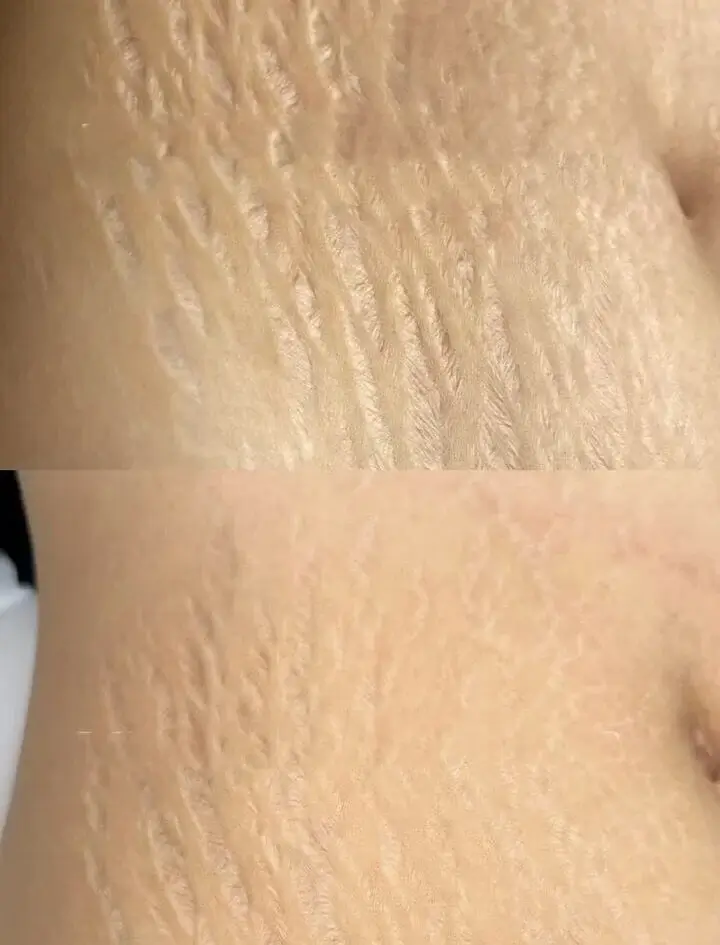
Skin texture tattooing is quickly becoming one of the most groundbreaking techniques in modern scar concealment. Unlike traditional camouflage, this method focuses not just on color but on texture replication. The goal is to help scars blend naturally with surrounding skin, creating a more consistent look that feels genuine. Many clients in Little Falls are seeking this approach because it offers a subtle, sophisticated finish that avoids the “flat” appearance of older methods. Artists trained in skin texture tattooing use specialized needles and precise movements, building depth and dimension that mimic real skin.
This rise in skin texture tattooing reflects a shift in the paramedical tattoo industry toward realistic outcomes. People dealing with acne scars, surgical scars, and injury-related marks now have access to techniques that work even when color alone isn’t enough. In many cases, traditional scar camouflage cannot fully correct raised or indented scars. By focusing on texture, artists can create visual continuity, giving clients renewed confidence. The Little Falls community has embraced this technique as more individuals discover its potential for transformation.
How Skin Texture Tattooing Works
The science behind skin texture tattooing is fascinating. Instead of laying down large sections of pigment, the artist creates micro-patterns that mimic pores, fine lines, and natural surface irregularities. These repeating patterns help break up light reflection, making scars less noticeable. The technique is often paired with color blending, but only when necessary. It is especially effective for scars that have healed unevenly or sit higher or lower than the surrounding skin.
Clients in Little Falls frequently report that skin texture tattooing gives them softer, more natural-looking results than other scar treatments. The session begins with a detailed consultation where the artist evaluates pigmentation, texture, and light behavior. Many professionals use digital mapping tools to ensure consistent pattern placement. For those comparing services, BeYOUtiful Ink provides additional scar revision options.
Why Clients Are Choosing This Method
More people are choosing skin texture tattooing because it offers benefits beyond appearance alone. One key advantage is that it doesn’t rely solely on pigment, making it a great option for clients with unpredictable skin tones or scars that darken with sun exposure. This technique also offers improved long-term stability because texture doesn’t fade the way pigment does. Many clients find the overall result more forgiving and realistic.
Little Falls residents who want discreet improvements often prefer this method. It is an ideal choice for individuals whose scars have bothered them for years but who want a result that doesn’t look “tattooed.” For those seeking related enhancements, BeYOUtiful Ink also provides services such as fine line tattoos and paramedical tattooing. Combined services create balanced, natural outcomes that complement the results of skin texture tattooing.
Pairing Texture Techniques with Advanced Camouflage
In many cases, the best results come from combining skin texture tattooing with color camouflage. For scars where both tone and texture differ significantly from surrounding skin, this layered approach creates a more complete blend. Texture techniques soften light reflection, while pigment blending reduces contrast. This method is especially popular for clients with post-surgical scars, C-section scars, and old injury marks.
Little Falls clients increasingly request combination treatments because they offer flexibility and customization. The artist can adjust the ratio of texture work to color work depending on the scar’s age, shape, and depth. Such techniques reflect major advancements in the field of paramedical tattooing and provide long-lasting, natural improvements. Many clients say they appreciate how smooth and subtle the results look when they return to everyday activities in Little Falls.
Healing and Aftercare Expectations
Healing after skin texture tattooing is usually straightforward. Most clients experience mild redness for one or two days, with a gradual settling of the textured patterns as the skin normalizes. Aftercare often includes avoiding water exposure, sweating, and sun exposure for a short period. Following the artist’s instructions strictly ensures that the texture remains intact and heals cleanly.
For those new to paramedical tattooing, visiting BeYOUtiful Ink on Google Maps provides a helpful look at location details and client reviews. Local clients appreciate how close the studio is to central Little Falls, making aftercare check-ins convenient. Many clients report that the healed outcome continues to improve over several weeks, offering increasingly natural results.
Why Skin Texture Tattooing Is Transforming the Industry
The success of skin texture tattooing comes from its ability to address problems that color alone cannot fix. Scars reflect light differently, which is often what makes them noticeable. By altering texture, artists change the way light interacts with the skin, creating realism that stands out from older methods. This breakthrough is reshaping paramedical tattooing and giving clients more options than ever.
Little Falls clients are part of a growing trend seeking subtle, confidence-boosting improvements. As more people share their experiences, interest in skin texture tattooing continues to rise. The technique is becoming a trusted solution for individuals who want long-lasting, natural-looking scar concealment without surgery or aggressive procedures.
FAQs
1. What is skin texture tattooing, and how does it differ from traditional scar camouflage?
Skin texture tattooing is a technique that focuses on recreating the natural texture of the skin rather than relying only on pigment. Traditional scar camouflage blends color to match surrounding skin, but this doesn’t always fix raised or indented texture. Skin texture tattooing uses micro-patterns, stippling, and fine strokes to break up light reflection. This makes scars visually blend more effectively. Clients in Little Falls often find this method more realistic than pigment-only solutions.
2. Who is a good candidate for skin texture tattooing?
Good candidates for skin texture tattooing include individuals with scars that have healed unevenly or have noticeable texture differences. This includes acne scars, surgical scars, burn scars, and injury marks. People with unpredictable pigmentation or those who do not want heavy color application also benefit greatly. Little Falls clients often seek this treatment after trying other methods with limited success. A consultation helps determine whether texture work, pigment, or a combination is best.
3. How long do results from skin texture tattooing last?
Results from skin texture tattooing tend to last longer than traditional camouflage because texture does not fade the way pigment does. Many clients enjoy stable improvements for several years. Touch-ups may be needed depending on scar type and skin behavior over time. Sun exposure and natural aging can influence longevity. In Little Falls, clients are encouraged to follow aftercare and avoid excessive sun to protect their results.
4. Is skin texture tattooing safe for sensitive or scar-prone skin?
Yes, skin texture tattooing is generally safe for most skin types, including sensitive skin. The technique uses shallow, controlled movements that minimize trauma. Artists trained in paramedical techniques understand how to work carefully on delicate areas. Clients with a history of keloids require special evaluation before treatment. Little Falls clients benefit from BeYOUtiful Ink’s thorough consultations, which help determine safe treatment options.
5. What should I expect during and after a skin texture tattooing session?
During a skin texture tattooing session, the artist carefully studies the scar before applying detailed patterns that mimic real skin. The process is usually comfortable and slower-paced to ensure accuracy. After the session, redness is common but fades quickly. Clients must avoid water, sweating, and sun during early healing. Most Little Falls clients notice improved blending within one to two weeks as the skin settles.