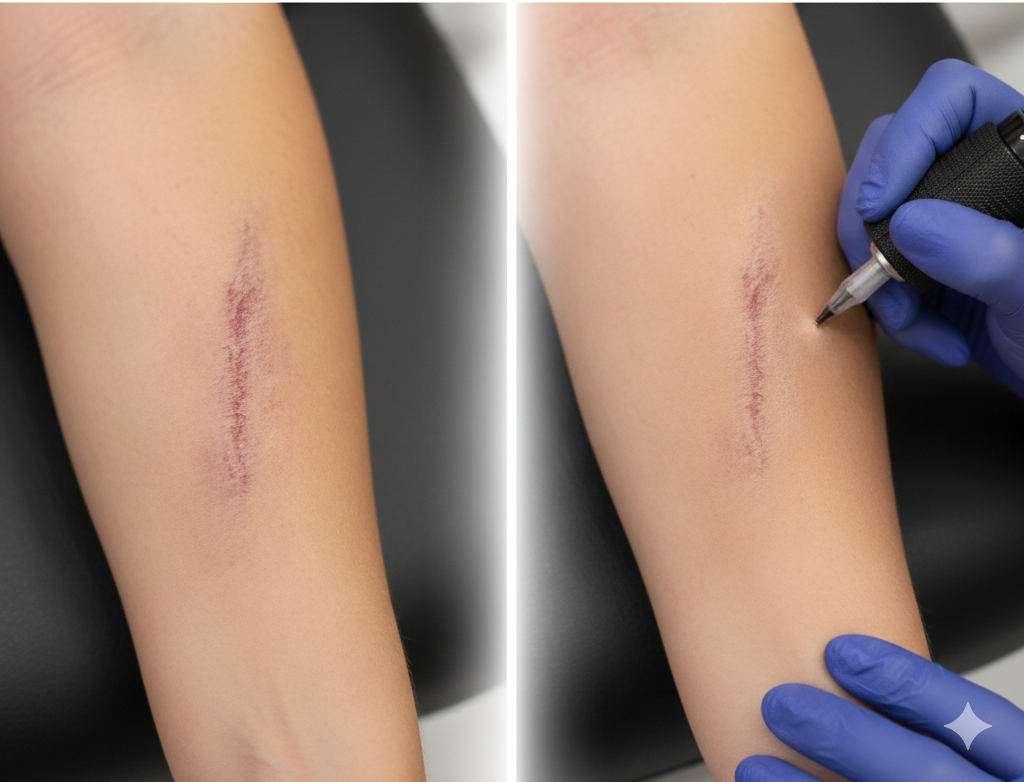
Advanced scar camouflage and paramedical tattooing deliver impressive, confidence-boosting results—but the treatment is only part of the process. Proper post-camouflage tattooing care is essential to protect your investment, ensure optimal pigment retention, and support your skin’s natural healing process.
At Beyoutiful Ink, we provide personalized aftercare guidance so that clients enjoy long-lasting, natural-looking outcomes while minimizing risks during the healing phase.
Why Post-Camouflage Tattooing Care Matters
Scarred or treated skin responds differently than healthy skin. Pigments may settle unevenly if the area is exposed to moisture, friction, or harsh products too soon. Proper care encourages even absorption, reduces the risk of infection, and helps maintain the subtle blending that advanced techniques aim to achieve.
Neglecting aftercare can compromise both appearance and longevity. Even minor mistakes can lead to pigment fading, discoloration, or textural inconsistencies.
Immediate Aftercare Guidelines
Keep the Area Clean and Dry
For the first few days after treatment, it’s important to keep the treated area clean but avoid excessive washing. Use gentle, fragrance-free cleansers if necessary, and pat the area dry rather than rubbing.
Avoid Touching or Picking
Touching the treated area introduces bacteria and can disrupt healing. Picking at scabs or flakes may remove pigment, resulting in uneven appearance.
Protect Against Sun Exposure
UV rays can fade pigment quickly. Avoid direct sunlight on the treated area during healing and consider wearing protective clothing or applying a high-SPF sunscreen once the skin is fully closed.
Limit Moisture Exposure
Avoid swimming, saunas, or prolonged showers during the early healing phase. Excessive moisture can dilute pigment and delay the healing process.
Supporting Skin Recovery
Gentle Hydration
Once the area begins to heal, light, non-irritating moisturizers may be recommended to keep the skin supple. Avoid heavy creams or products with active ingredients like retinoids or acids, as these can interfere with pigment stability.
Monitor for Signs of Infection
Redness, unusual swelling, or oozing beyond normal healing stages should be reported to your provider. Early intervention ensures safe recovery without compromising results.
Avoid Friction or Pressure
Scarred or tattooed areas are particularly sensitive. Avoid tight clothing or contact that could disturb pigment placement during the early stages of healing.
Gradual Pigment Healing
Pigment may appear darker or slightly warmer immediately after treatment. This is normal and expected. Over 2–4 weeks, the pigment gradually softens and integrates with the surrounding skin.
Understanding this natural healing process helps clients maintain realistic expectations and reduces anxiety about temporary color changes.
Long-Term Maintenance
Even after full healing, the appearance of scar camouflage may evolve slightly over time. Periodic touch-ups can maintain color consistency and blending, especially in areas exposed to sun or friction.
Post-camouflage tattooing care extends beyond the initial healing phase. Protecting the skin, following professional guidance, and scheduling recommended touch-ups help sustain natural results for years.
Personalized Aftercare Planning
Every client and scar is unique. At Beyoutiful Ink, aftercare instructions are tailored to your skin type, scar location, and treatment depth. A clear plan ensures both optimal healing and long-term satisfaction.
The Emotional Benefits of Proper Care
Proper post-camouflage tattooing care not only preserves visual results but also contributes to emotional well-being. Seeing your scar blend naturally over time reinforces confidence and reduces self-consciousness. Clients often report increased comfort in clothing, social settings, and daily life once they understand and follow aftercare protocols.
Summary
Post-camouflage tattooing care is a vital component of a successful treatment. By following guidance on cleanliness, protection, hydration, and touch-ups, clients can enjoy long-lasting, natural-looking results. Advanced techniques paired with attentive aftercare ensure that scar camouflage treatments deliver both aesthetic and confidence-boosting benefits.
FAQs: Post-Camouflage Tattooing Care
How long should I follow strict aftercare guidelines?
Strict aftercare is most critical during the first 7–10 days. Gentle care continues for several weeks as the skin fully heals.
Can I shower or bathe normally after treatment?
Short showers are fine, but avoid soaking the treated area or using harsh soaps during initial healing. Pat dry gently.
When can I apply moisturizer or skin products?
Once the skin starts to close and peel naturally, light fragrance-free moisturizers may be used. Avoid active ingredients like acids or retinoids until fully healed.
Is sun protection necessary?
Yes. UV exposure can fade pigments and alter blending. Use protective clothing or high-SPF sunscreen once skin is healed.
What if I notice uneven pigment or scabbing?
Minor peeling is normal. Avoid picking. If uneven pigment persists after healing, schedule a follow-up touch-up for optimal results.
Are touch-ups required for scar camouflage?
Yes, touch-ups are often recommended 6–12 weeks after initial treatment to perfect blending and maintain long-term results.