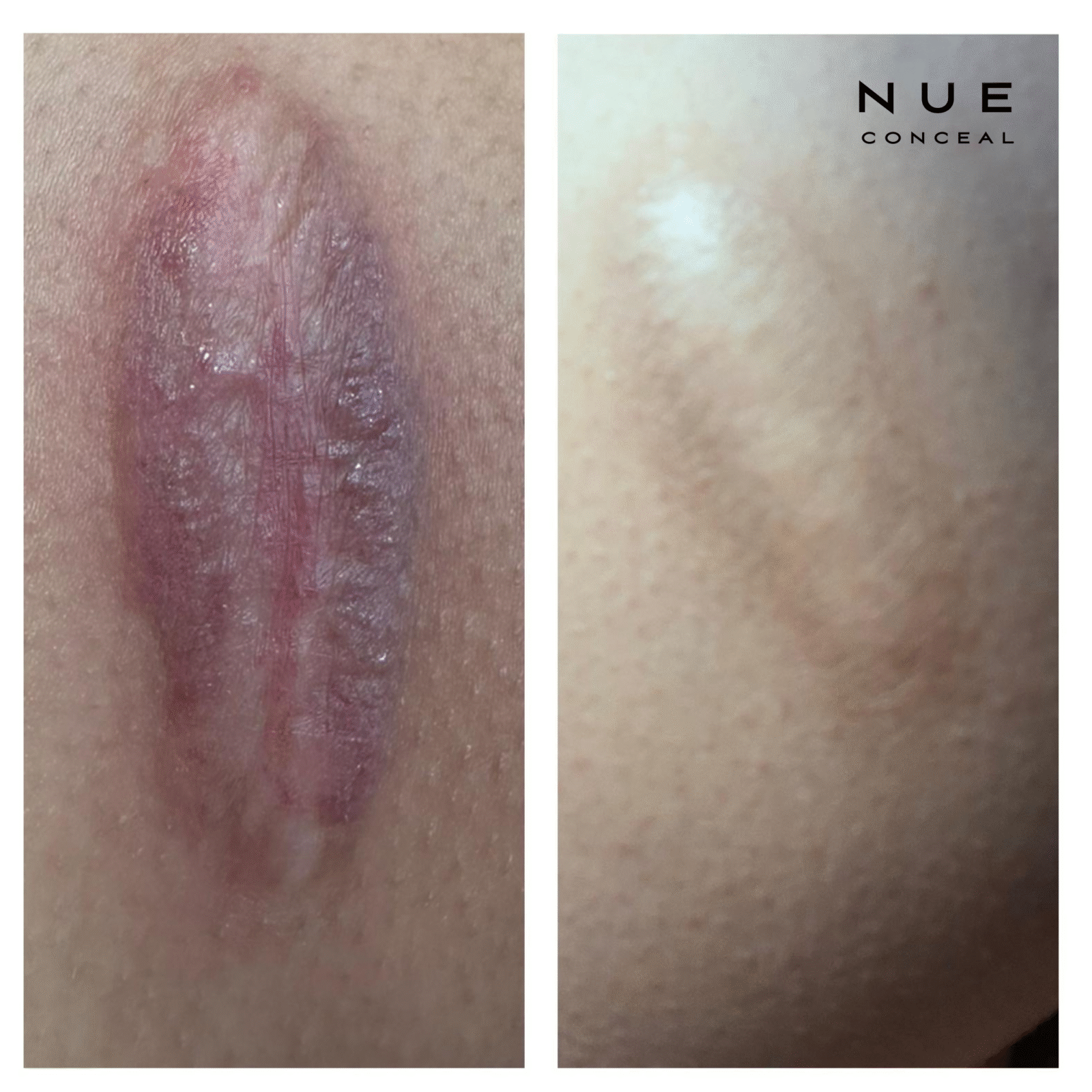
Advanced scar camouflage and paramedical tattooing can dramatically improve the appearance of scars, restoring confidence and helping clients feel comfortable in their skin. However, the results of these treatments depend as much on proper aftercare as they do on professional technique. Small mistakes during the healing process can compromise pigment retention, alter color, or create uneven blending.
At Beyoutiful Ink, we emphasize education and guidance so that clients can protect their results, heal safely, and enjoy long-lasting, natural-looking outcomes.
Common Mistakes That Impact Healing
1. Touching or Picking at the Treated Area
One of the most frequent mistakes clients make is touching, scratching, or picking at the treated skin. This can introduce bacteria, increase the risk of infection, and dislodge pigment, leading to patchiness or uneven blending.
Clients are advised to let scabs and flakes fall off naturally and avoid unnecessary contact with the area during healing.
2. Excessive Moisture Exposure
Soaking the treated area in water, swimming, or using saunas during early healing can dilute pigments and interfere with proper absorption. Even prolonged exposure to steam from showers can affect results if not carefully managed.
Keeping the area lightly dry while still maintaining gentle cleansing is key to optimal pigment retention.
3. Using Harsh Skincare Products
Products containing acids, retinoids, or exfoliants should be avoided during the healing phase. These active ingredients can cause irritation, pigment fading, or discoloration, potentially compromising the natural blend achieved with advanced camouflage techniques.
Gentle, fragrance-free products are recommended once the skin has sufficiently healed.
4. Ignoring Sun Protection
UV rays are one of the leading causes of pigment fading and discoloration after paramedical tattooing. Failing to protect the treated area from sun exposure can result in uneven tone, reduced longevity, and the need for earlier touch-ups.
Once fully healed, using high-SPF sunscreen or protective clothing helps preserve natural-looking results.
5. Rushing the Healing Process
Some clients may feel eager to see the final results and attempt to expedite healing. Over-manipulation, premature exfoliation, or ignoring professional guidance can compromise pigment retention and color uniformity.
Patience is crucial—healing naturally over several weeks allows pigment to settle and blend properly with surrounding skin.
6. Skipping Follow-Up Appointments
Advanced post-camouflage treatments often require multiple sessions for layering and color correction. Missing follow-up appointments can prevent optimal blending, leaving scars more noticeable than expected.
Scheduled touch-ups ensure that pigments integrate evenly and results are durable.
How to Avoid These Mistakes
Follow Professional Aftercare Instructions Closely
Each scar, skin type, and pigment plan is unique. Beyoutiful Ink provides detailed aftercare guidance tailored to your treatment. Following these instructions carefully prevents common errors that can affect results.
Monitor Healing Progress
Keeping an eye on the treated area allows you to detect issues early, such as unexpected redness, swelling, or pigment inconsistencies. Prompt communication with your technician ensures timely intervention if needed.
Use Recommended Products Only
Stick to gentle, fragrance-free cleansers and moisturizers provided or approved by your technician. Avoid introducing new skincare products until the skin is fully healed.
Protect Your Skin From Sun and Friction
Wear protective clothing and avoid prolonged sun exposure. Additionally, avoid tight garments, belts, or straps that may rub against the treated area during healing.
Be Patient With Touch-Ups
Allow the skin to fully heal before scheduling touch-ups. Gradual layering over multiple sessions ensures even pigment distribution and long-term durability.
The Emotional Benefits of Proper Aftercare
Avoiding these common mistakes not only protects physical results but also supports emotional confidence. Seeing scars blend naturally and maintain color over time reinforces self-assurance and reduces stress or self-consciousness about appearance.
Clients who adhere to proper aftercare often report greater satisfaction with their treatment, enhanced body image, and increased comfort in social and professional settings.
Summary
Post-camouflage tattooing care mistakes, even minor ones, can significantly affect your final results. From touching the treated area to sun exposure and improper product use, each factor plays a role in healing and pigment retention.
By following professional aftercare guidance, monitoring healing, and attending scheduled follow-ups, clients can ensure their advanced scar camouflage delivers natural, lasting, and confidence-boosting outcomes.
FAQs: Post-Camouflage Tattooing Care Mistakes
What is the most common aftercare mistake?
Touching or picking at the treated area is the most common error, as it can lead to pigment loss and uneven results.
Can exposure to water affect healing?
Yes, excessive moisture from swimming, long baths, or steam can dilute pigment and affect blending.
Are skincare products allowed during healing?
Only gentle, fragrance-free products are safe. Avoid active ingredients like acids, retinoids, or exfoliants until fully healed.
How soon can I be in the sun after treatment?
Avoid direct sunlight until the area is fully healed. Afterward, apply high-SPF sunscreen to protect pigment and maintain results.
Do missed touch-up sessions affect final results?
Yes, skipping follow-ups may prevent optimal blending and longevity. Scheduled touch-ups are crucial for natural, long-lasting outcomes.
Can friction from clothing affect results?
Yes, rubbing or pressure from tight clothing can disturb pigment during healing. Avoid contact with treated areas to preserve results.